
Hamilton County Criminal Records
Hamilton County criminal court records are kept through the district court case system once a prosecutor files a criminal complaint, information, citation, or other charging document. The clerk's record may include the charge list, appearance history, bond orders, plea paperwork, motions, journal entries, disposition, sentence, probation terms, revocation filings, and costs. The case file is broader than a charge list because it tracks what happened after the charge was filed.
Hamilton County District Court is the local Kansas trial court for felony and many misdemeanor matters. Syracuse Municipal Court can handle city ordinance and municipal traffic cases, but serious criminal cases route through district court. The Hamilton County Attorney, Robert Gale, is the local prosecutor identified in official county sources. The sheriff may arrest or book a person, but the prosecutor and court record control filed charges and court outcome.
The source capture from Kansas.gov criminal history shows a statewide criminal-history route that is separate from Hamilton County criminal court records.
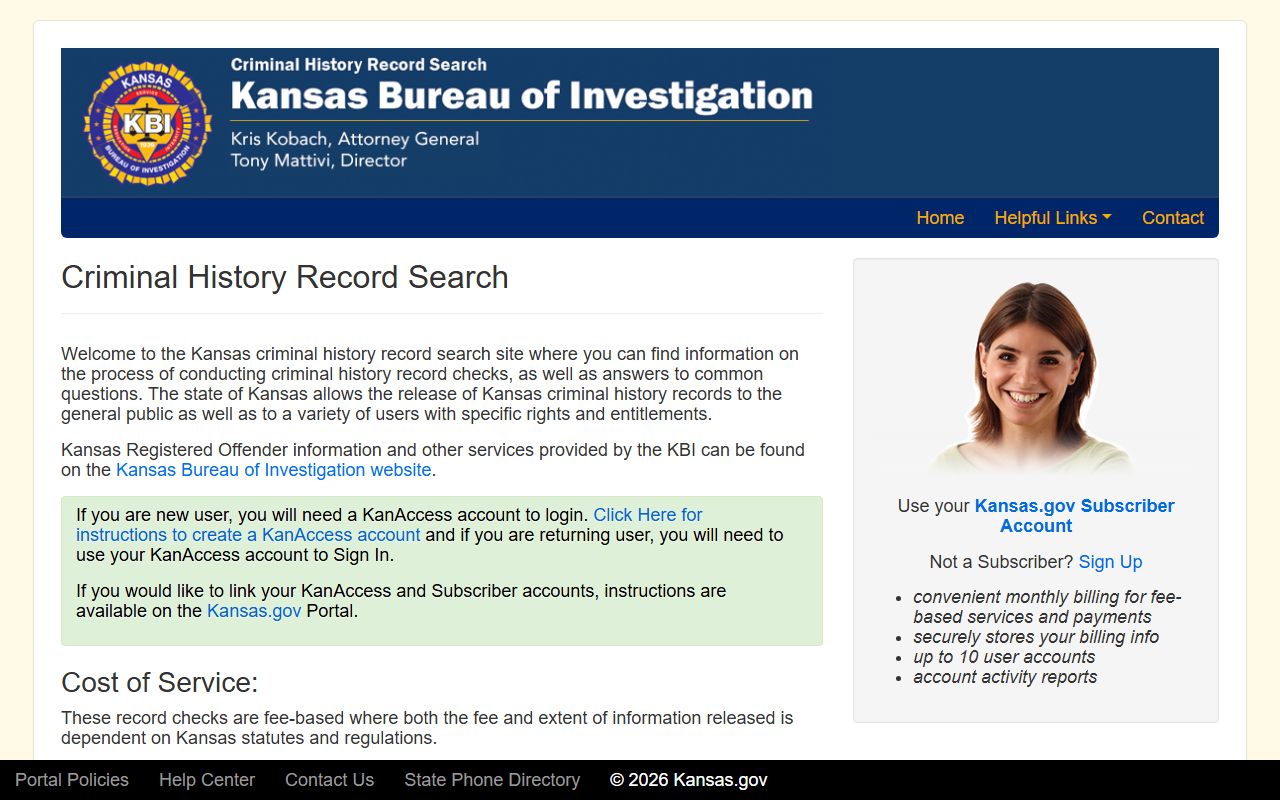
This distinction matters because a KBI history check is not the same as the local court case file held by the district court.
Search Hamilton Criminal Court Records
Use Kansas CaseSearch to look for public Hamilton County criminal court records by case number, party name, business name, citation, or other criteria available for the user's role. The 25th Judicial District Hamilton page links court users to the state search path, not to a Hamilton-only criminal case database.
- Open Kansas CaseSearch and follow the terms of use before running a search.
- Search by defendant name if no case number is known, then compare dates and case types carefully.
- Use the case number from a complaint, bond paper, notice, or citation when it is available.
- Open the case record to read docket entries, charge status, hearing dates, disposition, and sentence entries.
- Request certified copies or missing documents from the Hamilton County District Court clerk.
A criminal court records search can miss sealed cases, juvenile matters, expunged records, protected documents, and documents not available online. If a public search does not show the record, contact the clerk at 219 N Main in Syracuse or by phone through the district court number. For current custody, use the sheriff, VINE, KASPER, or the relevant jail channel, because custody status is not the same thing as a court docket.
The source capture from Kansas.gov conducting a record check supports the difference between name-based background checks and court case searches.
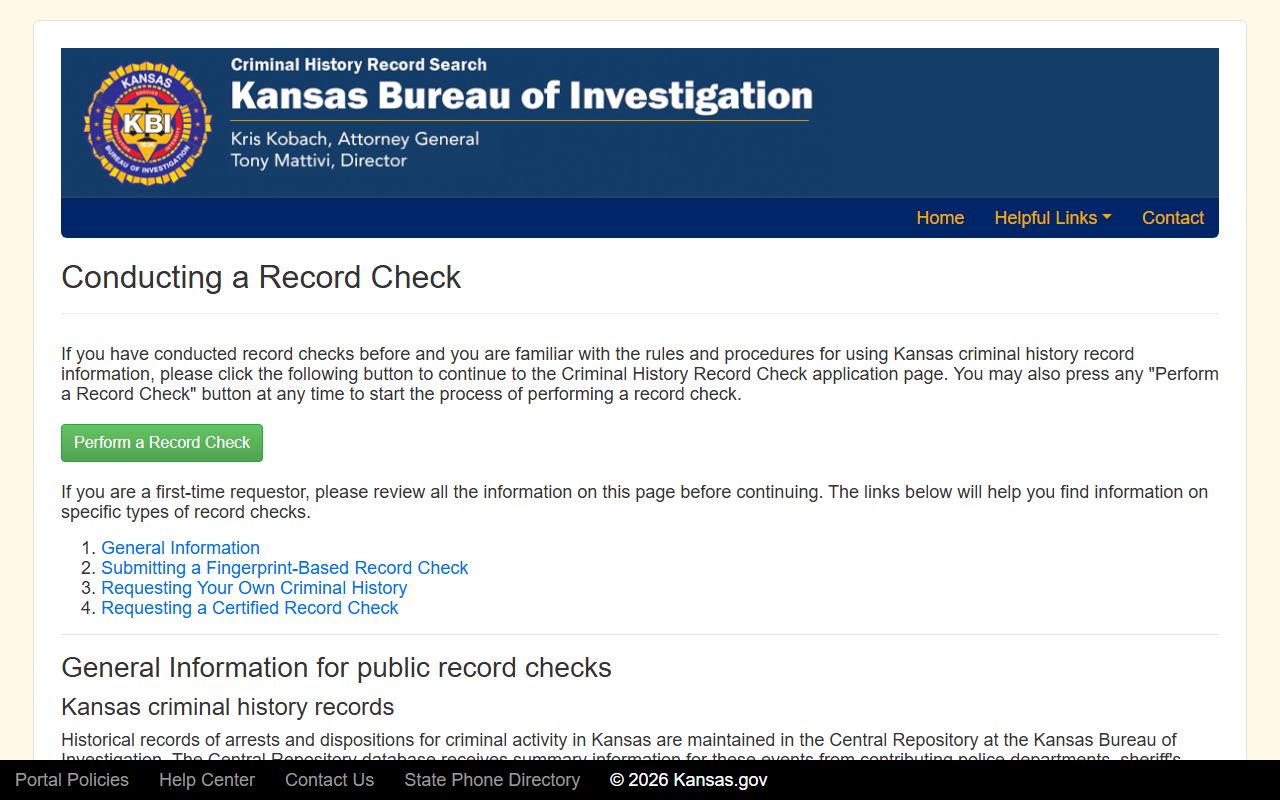
Statewide criminal history can be useful, but Hamilton County criminal court records remain the source for local filings and case events.
Hamilton Criminal Case Stages
A criminal court record grows as the case moves through the court. The charge record starts the case, but the docket continues with appearances, motions, plea events, trial settings, judgment, and sentencing. A single arrest can produce multiple charges, and a single charge can be amended, reduced, dismissed, or resolved by plea or trial.
Case flow: Charges Filed › Arraignment › Pretrial / Motions › Plea or Trial › Disposition › Sentencing
| Stage | What Happens |
|---|---|
| Charges filed | The prosecutor files or pursues a complaint, information, citation, or related charging paper. |
| Arraignment | The defendant is advised of the charge and enters a plea such as guilty, not guilty, or no contest. |
| Pretrial and motions | The court handles bond, discovery, continuances, suppression issues, plea talks, and scheduling. |
| Plea or trial | The case is resolved by plea, trial verdict, dismissal, amendment, diversion, or another court action. |
| Disposition and sentencing | The final outcome and sentence, costs, restitution, probation, or jail/prison terms are entered. |
Hamilton Criminal Record Fields
The criminal court record is built from case-level fields. It may show the case number, defendant, prosecutor, judge, charge code, statute, offense level, bond events, hearing dates, plea, disposition, sentence, fines, costs, restitution, probation, warrants, and revocation events. Some public entries may name a document without displaying the document image.
| Field | What It Shows |
|---|---|
| Case number | The Kansas district court identifier used by the clerk and CaseSearch. |
| Defendant | The person charged in the criminal case and any public attorney listing. |
| Charges | The alleged offenses, statute references, severity level, and later amendments if public. |
| Bond and appearances | Release terms, first appearances, failures to appear, and related court events. |
| Plea and disposition | Whether the charge ended by guilty plea, trial result, dismissal, diversion, or another outcome. |
| Sentence | Jail, prison, probation, fine, restitution, costs, or other ordered penalties when public. |
The source capture from the KBI registered offender website marks another separate state-level criminal information source.
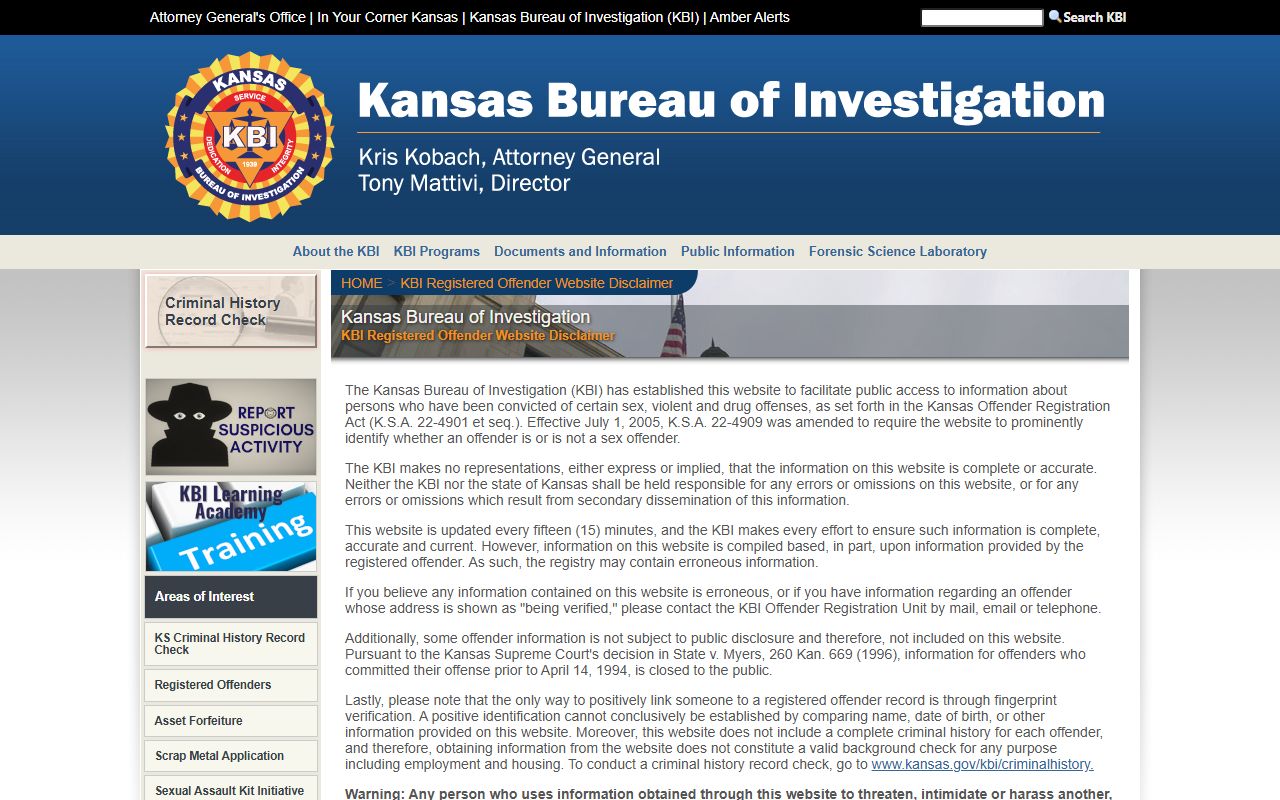
Registry data is not a substitute for the Hamilton County criminal court record because it covers registration status, not every case file.
Hamilton Charges vs Convictions
A charge is an accusation filed or pursued in court. A conviction is a formal outcome after a guilty plea, no contest plea accepted by the court, or trial verdict. Criminal court records may show charges that never became convictions because they were dismissed, amended, reduced, diverted, or ended in acquittal.
| Charge | Conviction | |
|---|---|---|
| Stage | Begins the court accusation. | Comes after plea or verdict. |
| Meaning | Alleged offense, not final guilt. | Formal finding or accepted plea. |
| Record effect | May remain in the docket even if dismissed. | May lead to sentencing, probation, costs, or collateral effects. |
| Where to verify | Read charge entries and amended filings. | Read disposition and sentencing entries. |
For a tighter focus on the charge layer itself, use Hamilton County arrest records and charges after arrest. The criminal court records page is broader because it follows the whole case through final outcome.
Hamilton Dispositions and Sentences
Disposition means the outcome of a charge or case. A docket may show guilty, not guilty, dismissed, amended, diverted, no contest, acquitted, or another court action. Sentencing entries may include jail, prison, probation, restitution, fines, court costs, treatment terms, driver consequences, or payment obligations when those items are part of the public case record.
Probation and revocation entries can keep a case active after sentencing. A revocation proceeding may appear if a person is accused of violating probation or release terms. Financial entries can show costs and balances, but online financial detail may be limited. Certified sentencing papers should be requested from the clerk when a court, employer, licensing agency, or immigration matter requires official proof.
Hamilton Sealed Criminal Records
Sealed records are closed from ordinary public access by law or court order. Expungement under K.S.A. 21-6614 may apply to eligible convictions, arrest records, and diversion agreements. Expungement changes public access, but it does not mean every authorized criminal justice or licensing user loses all statutory access.
| Sealed | Expunged | |
|---|---|---|
| Public visibility | Closed from ordinary public search or document access. | Not treated like a normal open record after an order is granted. |
| How it happens | By law, rule, or court order. | By filing and obtaining an expungement order if eligible. |
| Authorized access | May remain for parties, courts, law enforcement, or authorized users. | May remain for certain justice, licensing, or statutory purposes. |
The source capture from the Kansas expungement article index supports the public-access limits that can affect Hamilton County criminal court records.
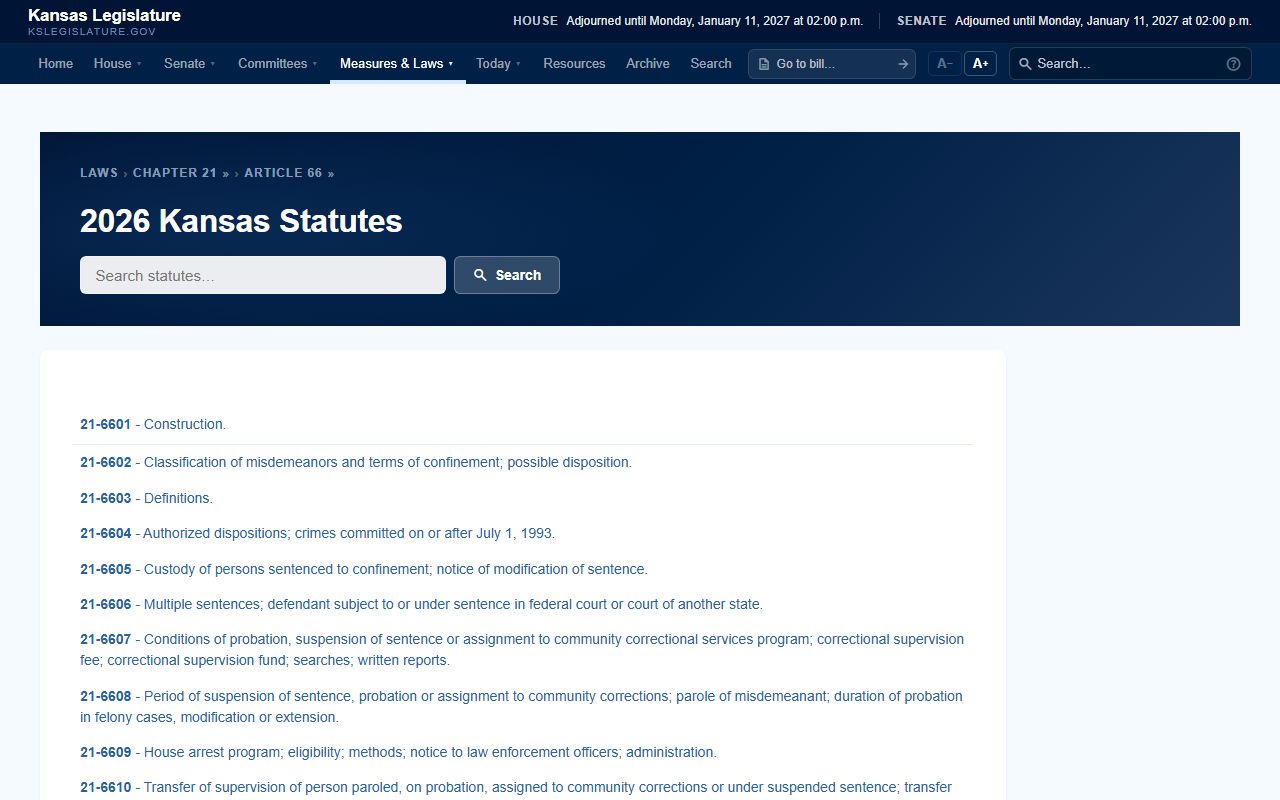
Expungement research should be tied to the actual case court, charge, sentence completion date, and statutory waiting period.
Hamilton Criminal Records Access
Public access to Hamilton County criminal court records is shaped by Kansas open-record principles, court rules, and confidentiality laws. K.S.A. 45-216 states Kansas policy favoring open public records, while Kansas Supreme Court Rule 22 governs public electronic district and appellate case records. Juvenile criminal-related records are restricted under K.S.A. 38-2309.
The KBI criminal history search is a different access channel. The research file lists a $30 purchase price and service hours from 4 a.m. to midnight Central, but that service is not the Hamilton County case file. A local criminal case record shows the court lifecycle. A KBI history check is a statewide background record governed by its own rules.
Note: Do not treat an online criminal search as certified proof; official copies come from the court or authorized agency.
Federal Criminal Records Kansas
Federal criminal cases for Kansas are not filed in Hamilton County District Court. They use the U.S. District Court for the District of Kansas, CM/ECF, PACER, and federal public terminals. The federal court records page says federal case information may be researched by case number, party name, or filing date range, with public terminal access in divisional offices.
The source capture from PACER's District of Kansas lookup shows the separate federal court route.
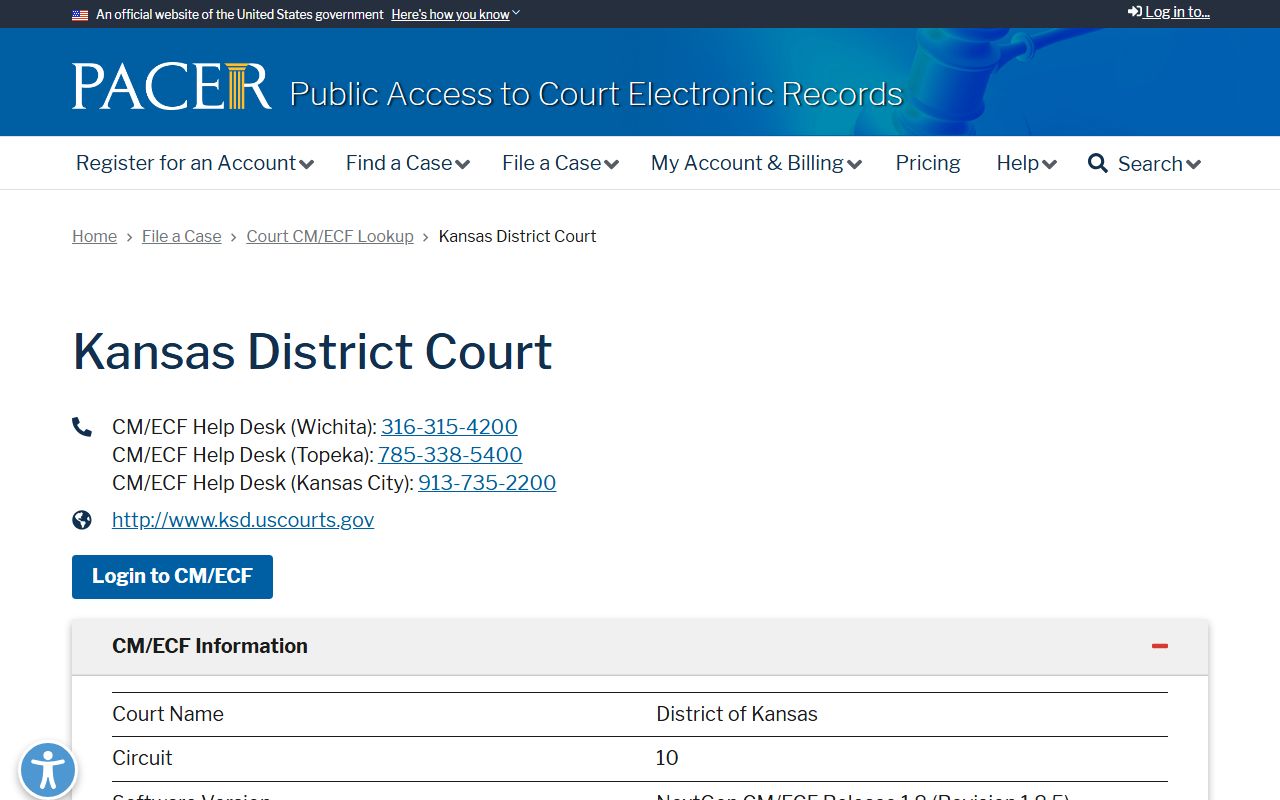
PACER and CM/ECF are used for federal records, while Hamilton County criminal court records use Kansas district court channels.
The source capture from District of Kansas CM/ECF marks the electronic filing system for federal cases.
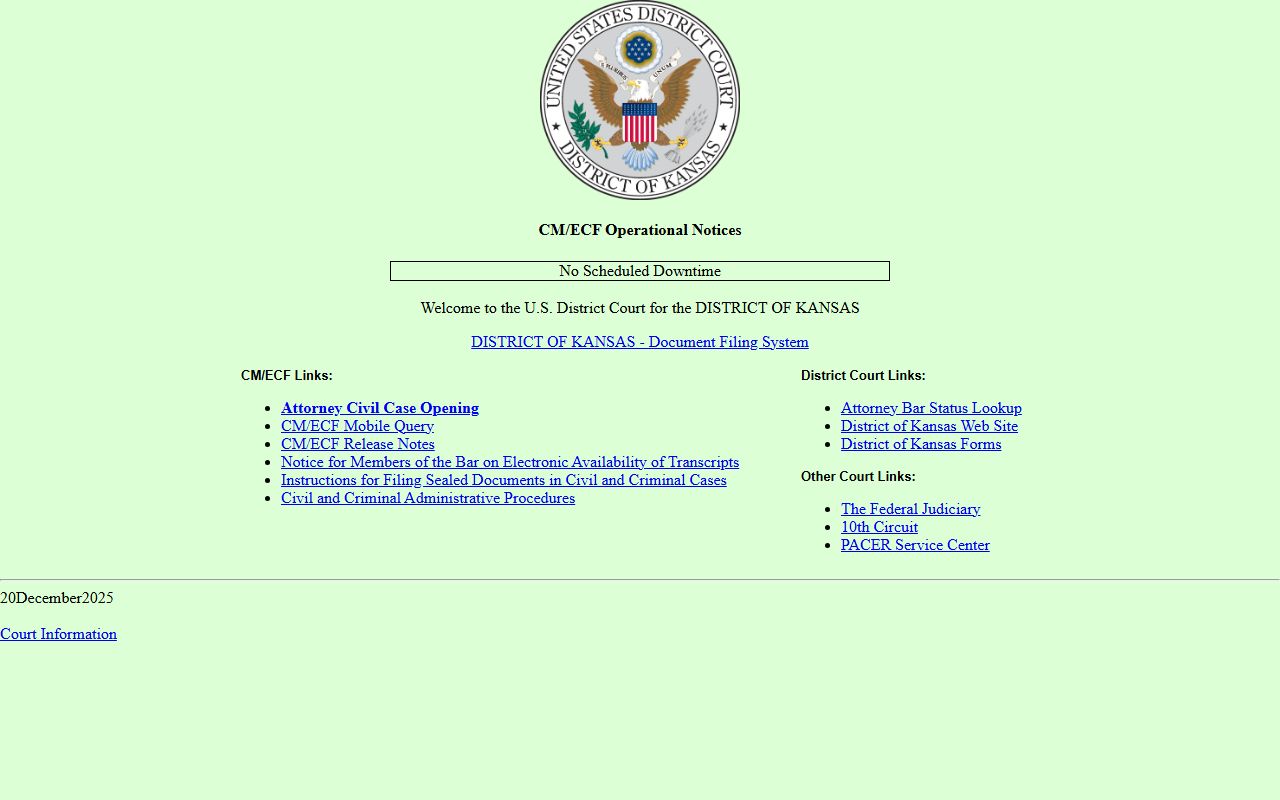
That federal filing system should not be confused with Hamilton County District Court or Kansas CaseSearch.
Restricted Hamilton Criminal Records
Restricted Hamilton County criminal court records include juvenile materials, sealed warrants, sealed cases, expunged records, protected addresses, personal identifiers, sensitive attachments, and some law-enforcement or safety-sensitive information. Adoption, mental health, and care and treatment records are also not ordinary public criminal records, even when a court has related authority.
For a pending criminal case, defendants should ask the Hamilton County District Court about court-appointed counsel procedures if needed. No Hamilton County-specific public defender office page was located in official sources. The county attorney's page does not publish diversion policies, prosecutor divisions, or victim-services details, so case-specific questions about charges should be routed through the court, counsel, or the prosecutor's official contact as appropriate.
Hamilton County District Court
219 N Main
Syracuse, KS 67878
Mail: P.O. Box 745, Syracuse, KS 67878
620-272-3649
Alternate phone: 620-384-5159
Monday-Friday 8 a.m.-4 p.m.